13 hr
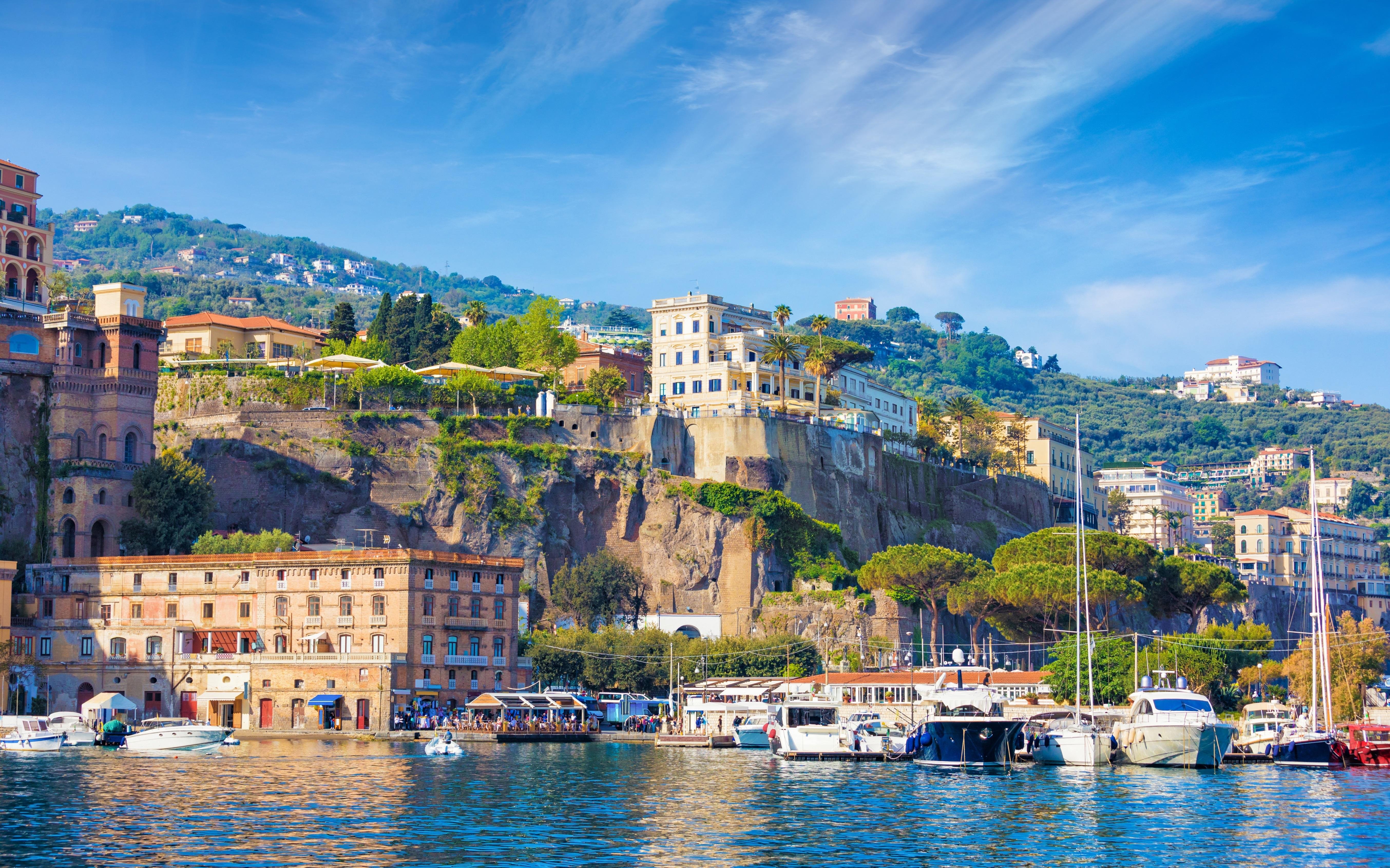
Pompeii, Amalfi Coast & Sorrento Full-Day Trip from Rome
- Expert local guide
- Small group
- Skip-the-line access
- Free cancellation
Best Rome to Pompeii Tours by Train — Reserved Entry & Full-Day Excursions
Ancient streets frozen in volcanic ash, reached by high-speed rail from the capital
Compare fares, pick the fit — all bookings are mobile-voucher and eligible for free cancellation where shown.
13 hr
13 hr
12 hr
Selecting the best rome to pompeii tours by train involves choosing an official entry tier that matches your exploration style. Whether you prefer a streamlined experience or comprehensive access to suburban Roman villas, these options form the foundation for your Pompeii and Naples day trip.
|
Top pick Pompeii Express Standard Entry |
Pompeii Plus Expanded Access | |
|---|---|---|
| Access Areas | Main ancient city | Ancient city + suburban villas |
| Price | 20 EUR | 30 EUR |
| Booking Requirement | Named ticket mandatory | Named ticket mandatory |
| Wait Time | Skip-the-line online | Skip-the-line online |
| Best for | First-timers | History enthusiasts |
| See tickets & prices |
Verdict: First-time visitors will find the best rome to pompeii tours by train tickets provide the most efficiency for a single day of discovery.
Worth it for history enthusiasts, less so for casual travelers
The best rome to pompeii tours by train deliver remarkable access to one of the world's most preserved Roman cities, but the logistics demand careful consideration. Round-trip travel from Rome spans 5–6 hours by high-speed rail, leaving approximately 3–4 hours to explore the archaeological park's 170 acres of ancient streets, frescoed villas, and the haunting plaster casts of Vesuvius victims. The bookable full-day excursions listed handle transport coordination and typically include guided commentary through the Forum, Lupanar brothel, and House of the Faun—eliminating the stress of navigating Trenitalia schedules independently. However, the extended travel time cuts deep into exploration hours, and adding optional stops like Sorrento or the Amalfi Coast further compresses time at the ruins themselves. Rail tours from Rome to Pompeii work best for travelers prioritizing archaeological depth over coastal scenery, and who accept that a single day delivers a curated snapshot rather than comprehensive immersion in this UNESCO World Heritage site.
Bottom line: Rail tours balance convenience against time cost—history buffs gain structured access, but travelers seeking leisurely exploration may prefer an overnight stay in Naples or Sorrento instead.
Guided excursions offer seamless organization for those prioritizing a curated experience, while independent travel appeals to visitors seeking total autonomy. Both approaches facilitate meaningful engagement with the UNESCO heritage site of the ancient city.
|
Top pick Guided Tour |
Independent Train | |
|---|---|---|
| Logistics | Managed transport and entry | Self-coordinated transit and tickets |
| Cost | Inclusive of all fees | 20 EUR (summer) plus transit |
| Depth of information | Professional guide narration | Self-guided exploration |
| Flexibility | Fixed schedule | High freedom to roam |
| Time efficiency | Optimized route | Variable transit times |
| Booking | Secure best rome to pompeii tours by train tickets | Purchase at station or online |
| See tickets & prices |
Verdict: Choose a guided best rome to pompeii tours by train tour for historical context, or navigate independently if you prefer the best rome to pompeii tours by train tours style of self-directed pacing.
Hand-picked experiences loved by thousands of travelers
13 hours
Free Cancellation
Venture beyond Rome to uncover ancient ruins frozen in time and experience the vibrant energy of Naples.
13 hours
Free Cancellation
Explore ancient Roman ruins and coastal beauty on this guided journey south from the capital
9 hours
Free Cancellation
Journey to the ancient ruins via Italy's fastest train, explore independently, and return the same day
11 hours
Free Cancellation
Fast train to Naples, guided exploration of Pompeii's ruins, authentic pizza lunch, and city highlights
11 hours
Free Cancellation
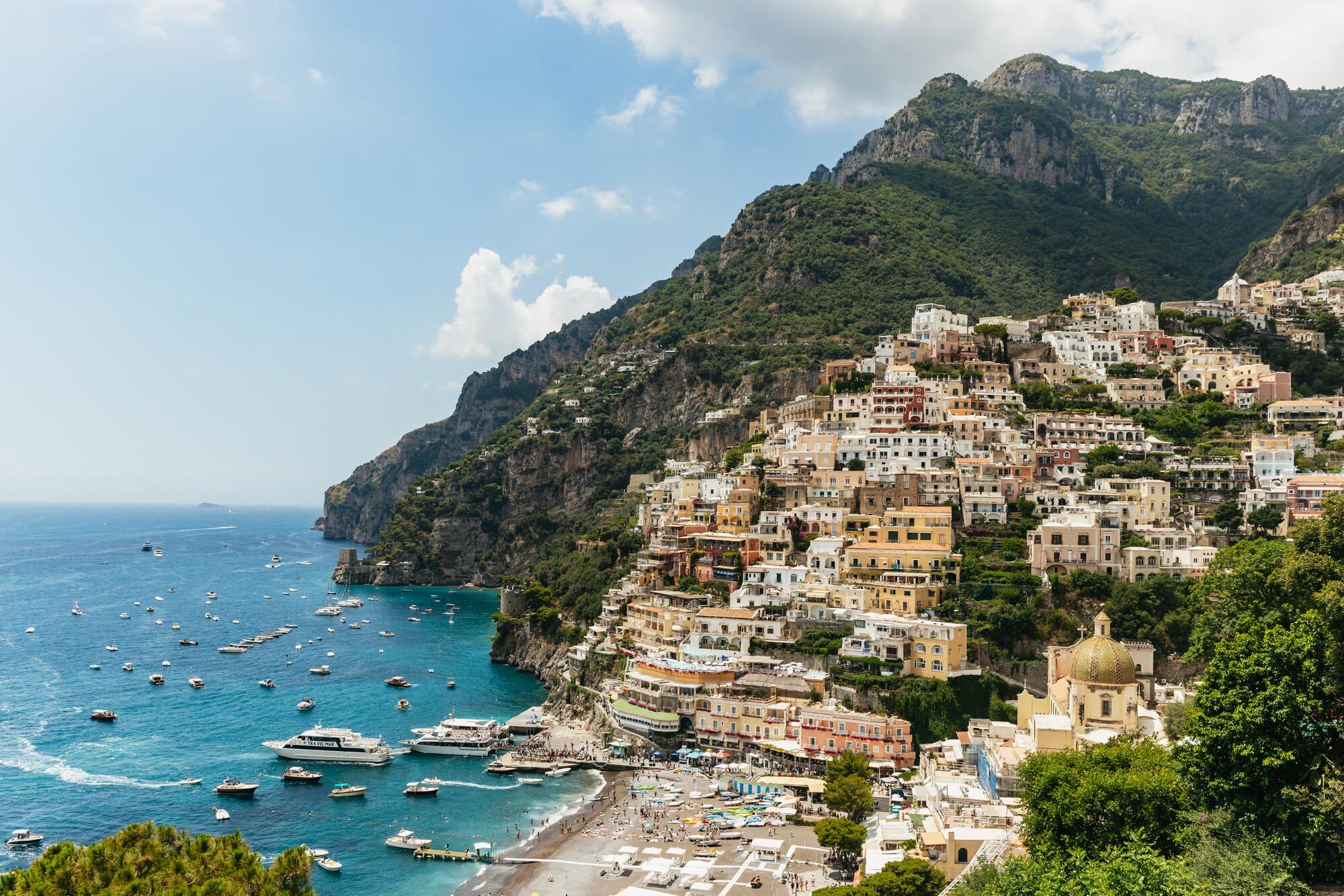
Skip the coastal traffic—travel by high-speed rail and boat to Positano and Amalfi in comfort
1 day
Free Cancellation
Journey to Italy's stunning coastline via express rail and ferry, exploring two iconic cliffside towns
11 hours
Free Cancellation
Journey from Rome to explore two ancient cities buried by Vesuvius with an expert archaeologist guide
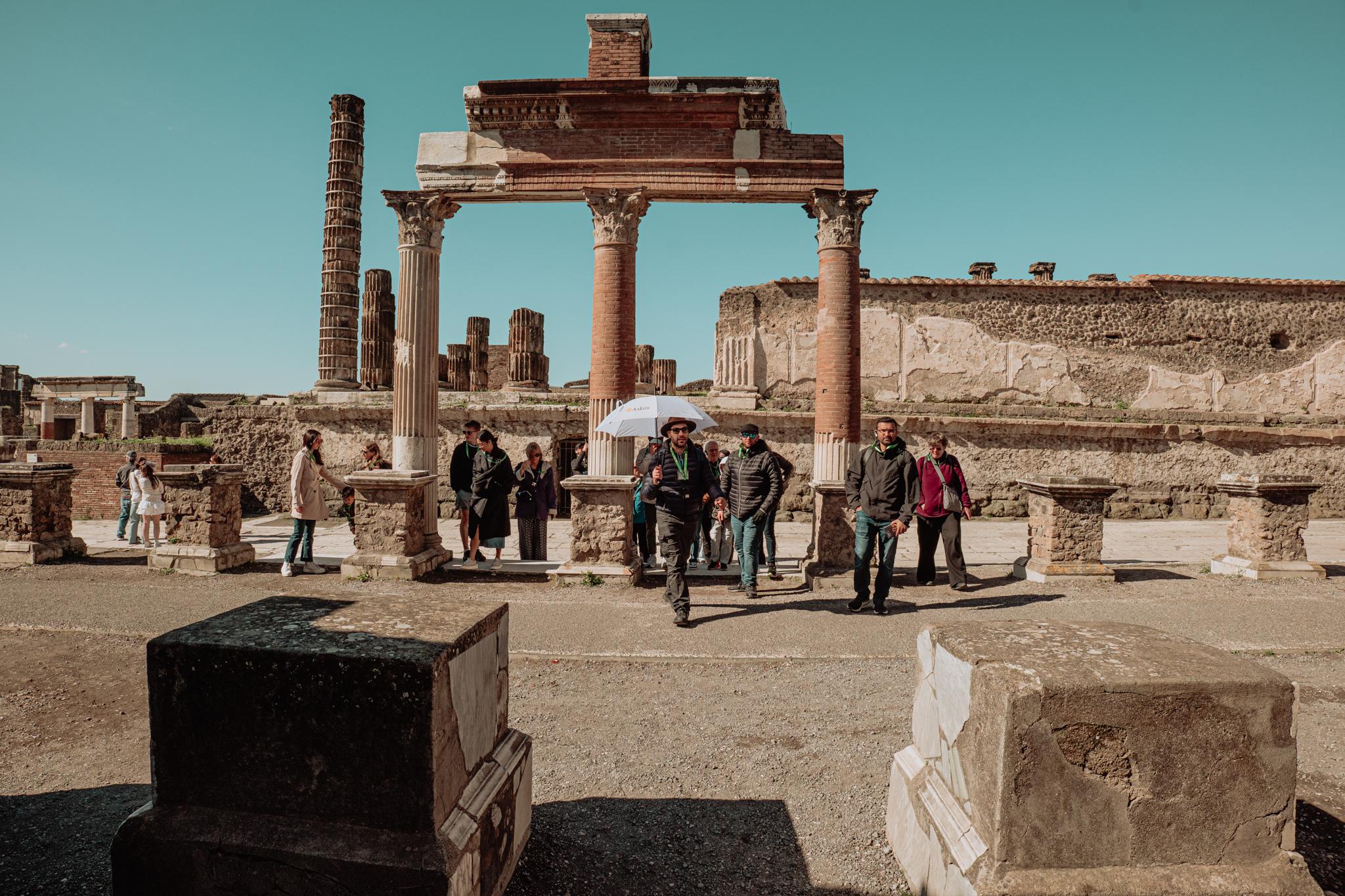
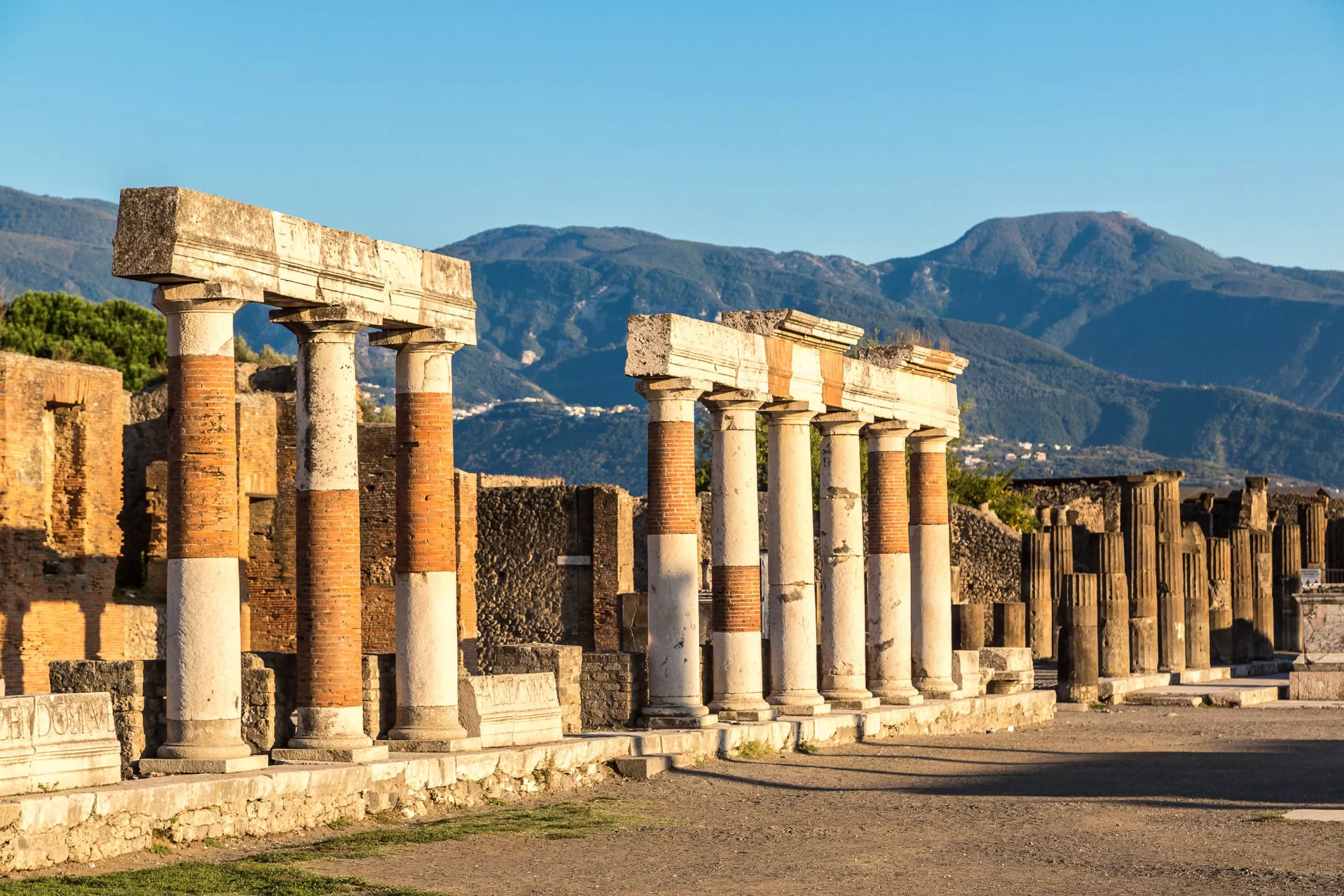
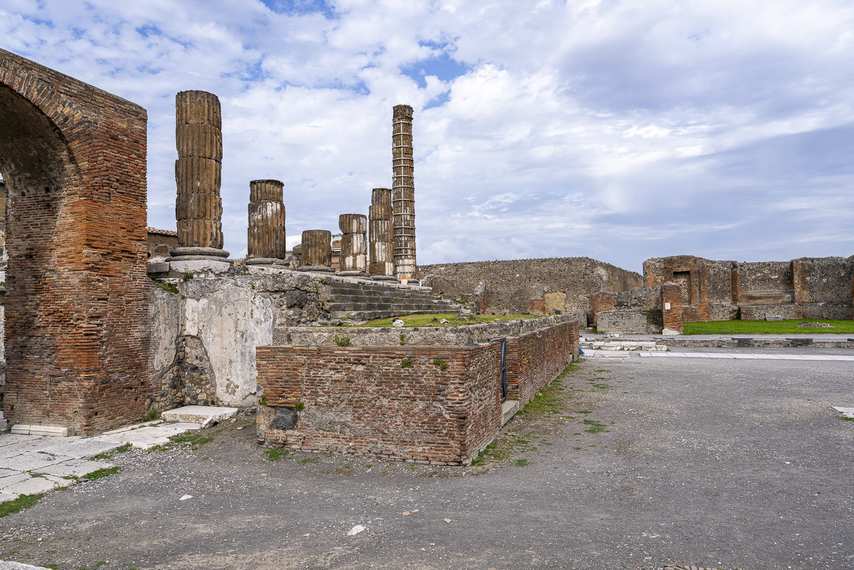
The central hub of public life, surrounded by key religious and administrative buildings.
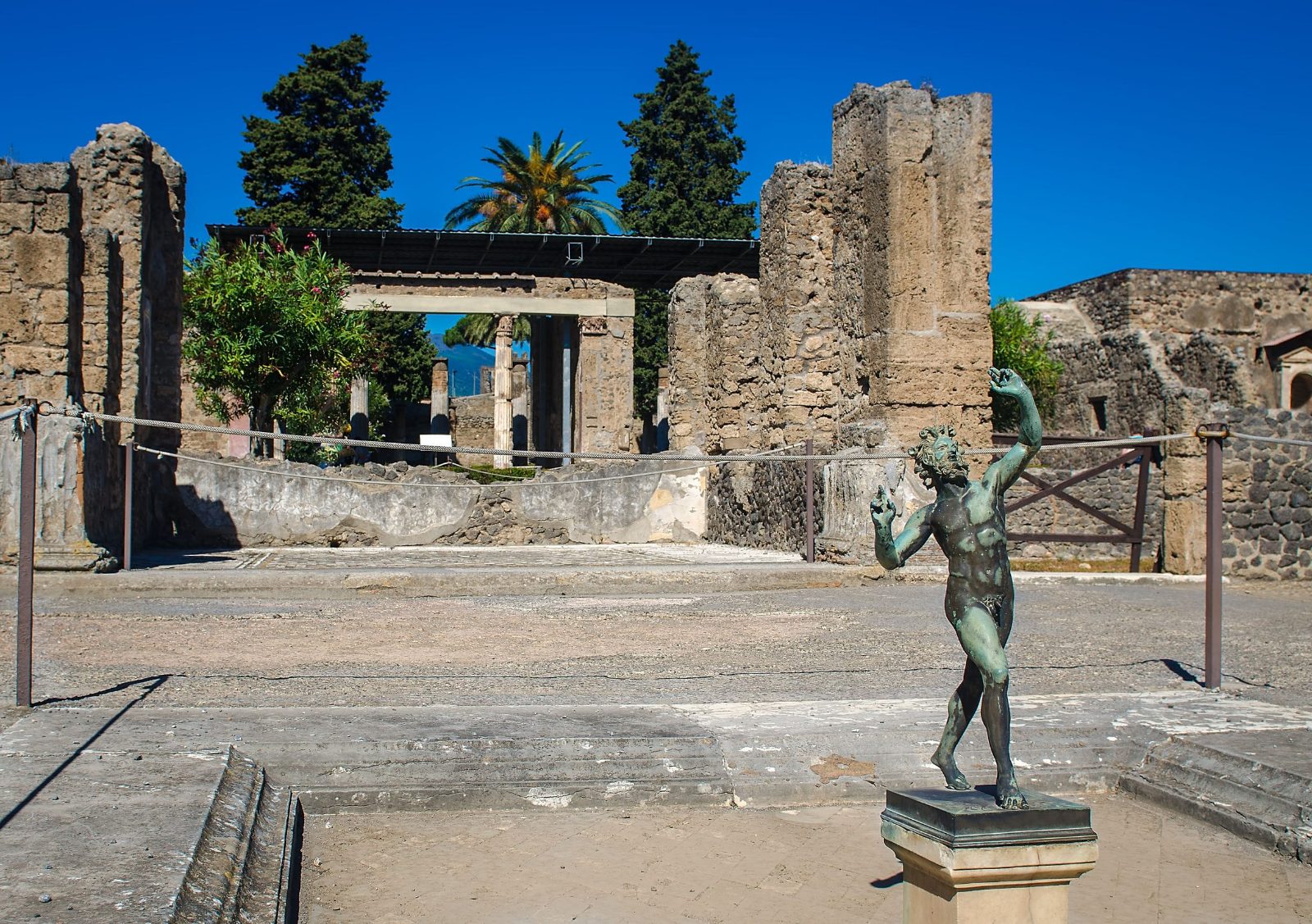
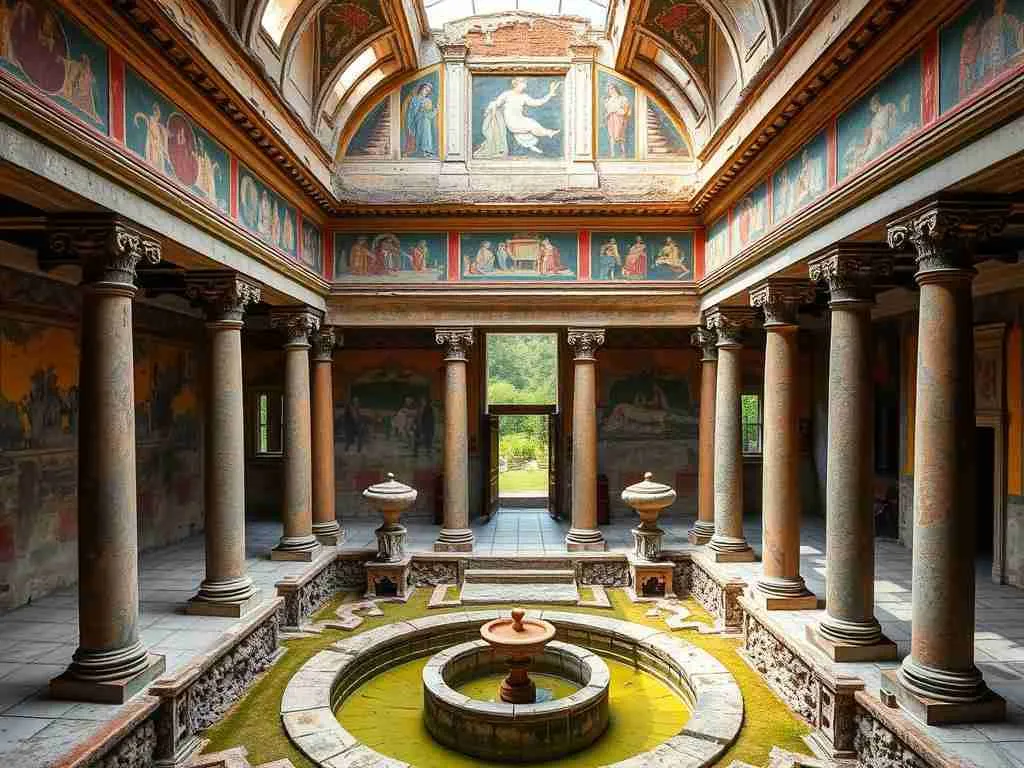
This grand residence features the famous Alexander Mosaic and occupies an entire city block.
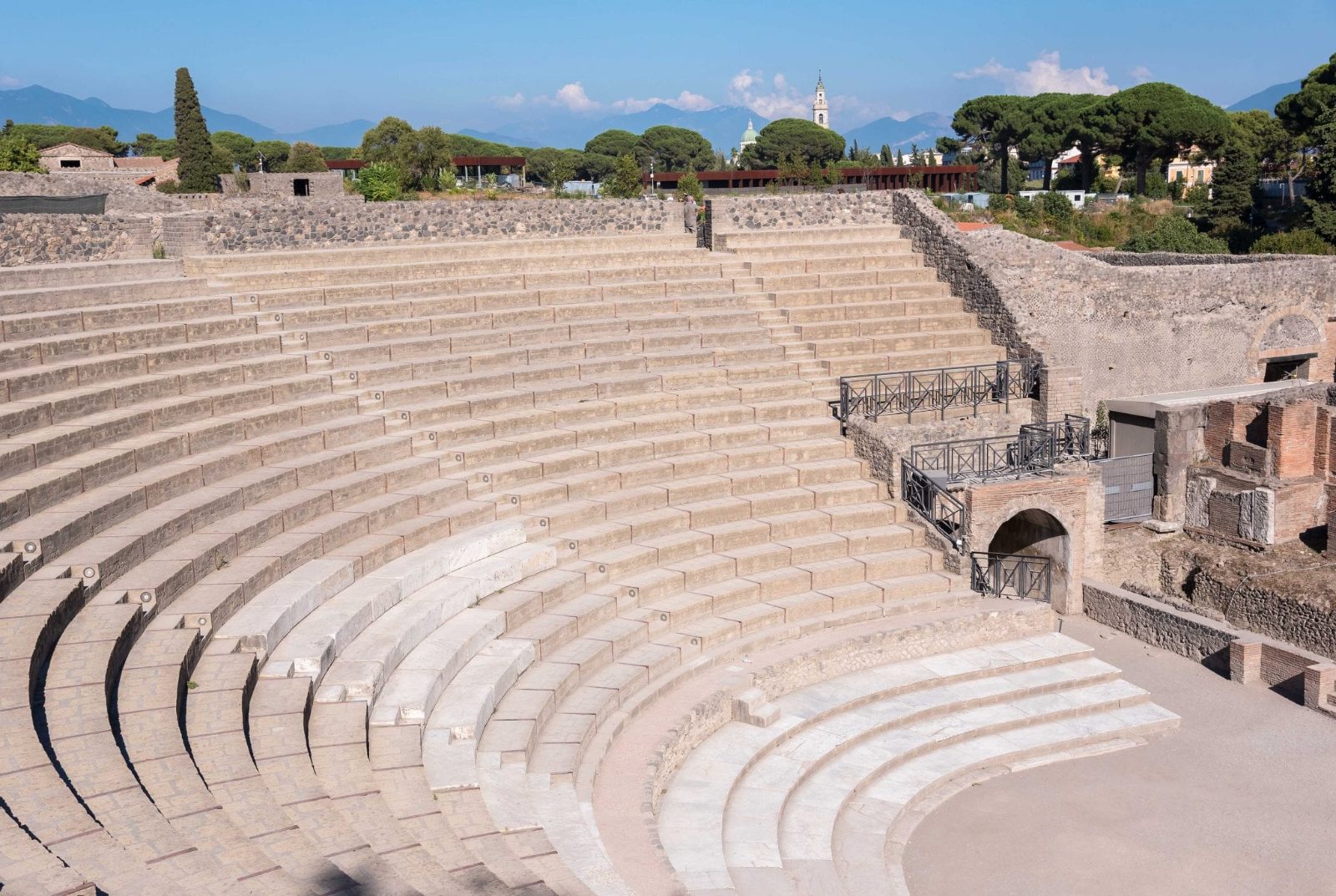
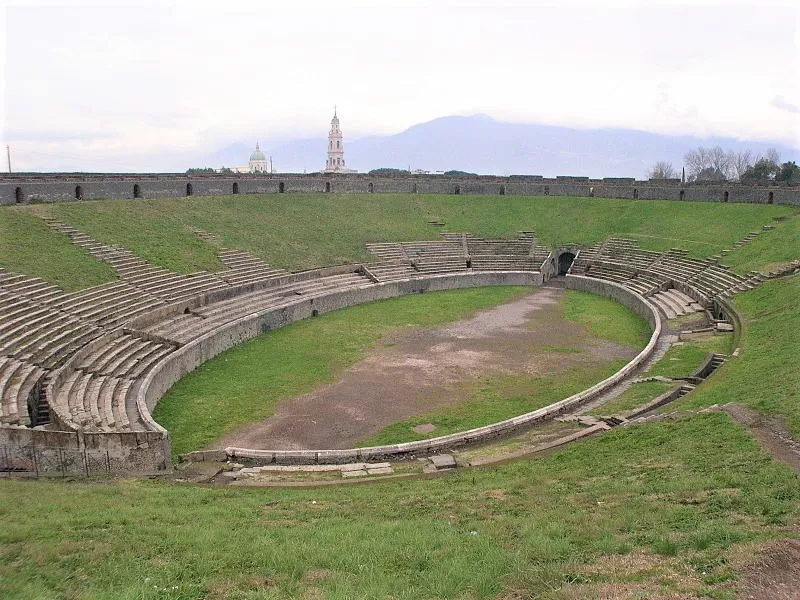
One of the oldest surviving stone amphitheatres in the world, dating to 70 BC.
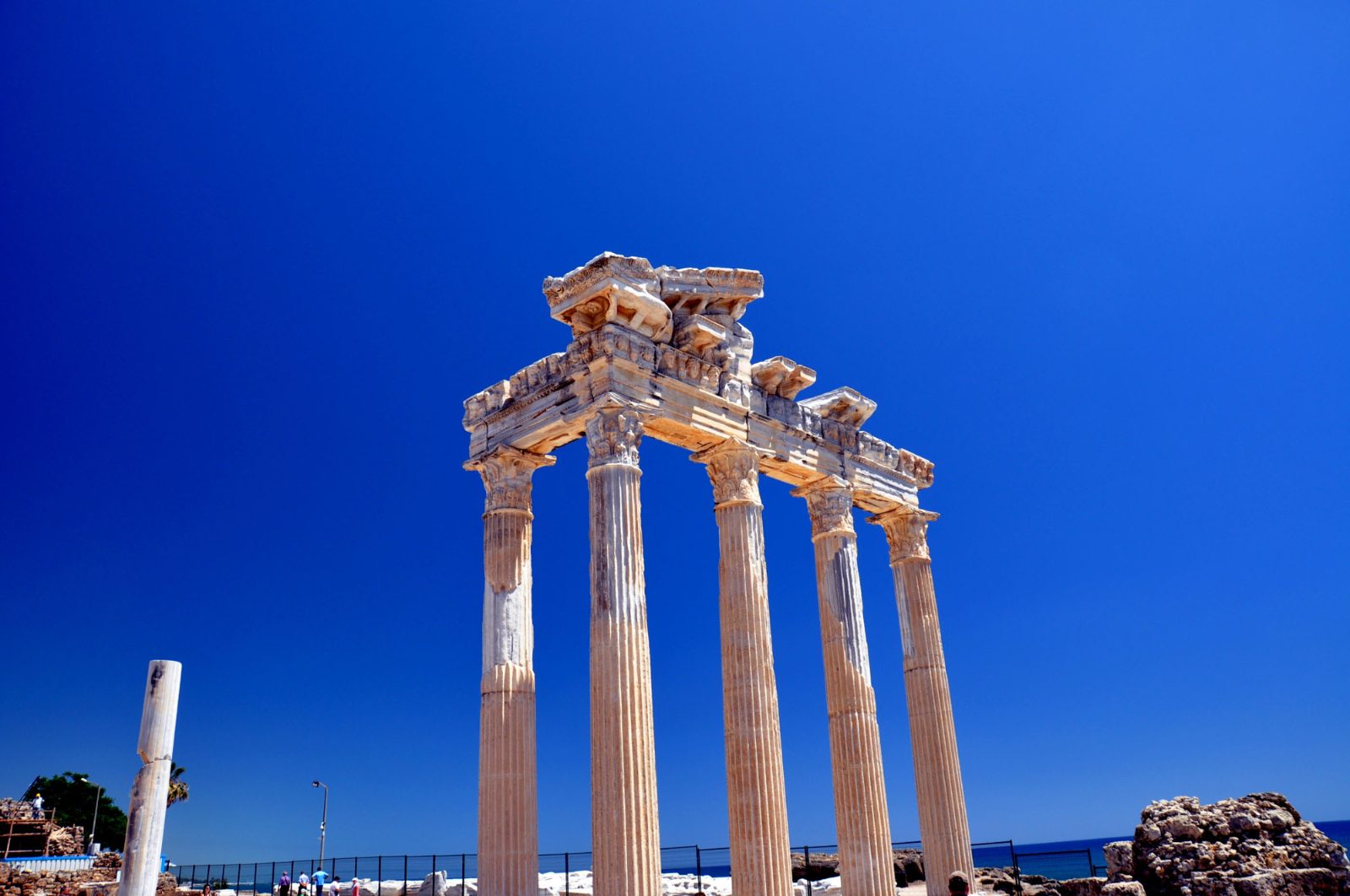
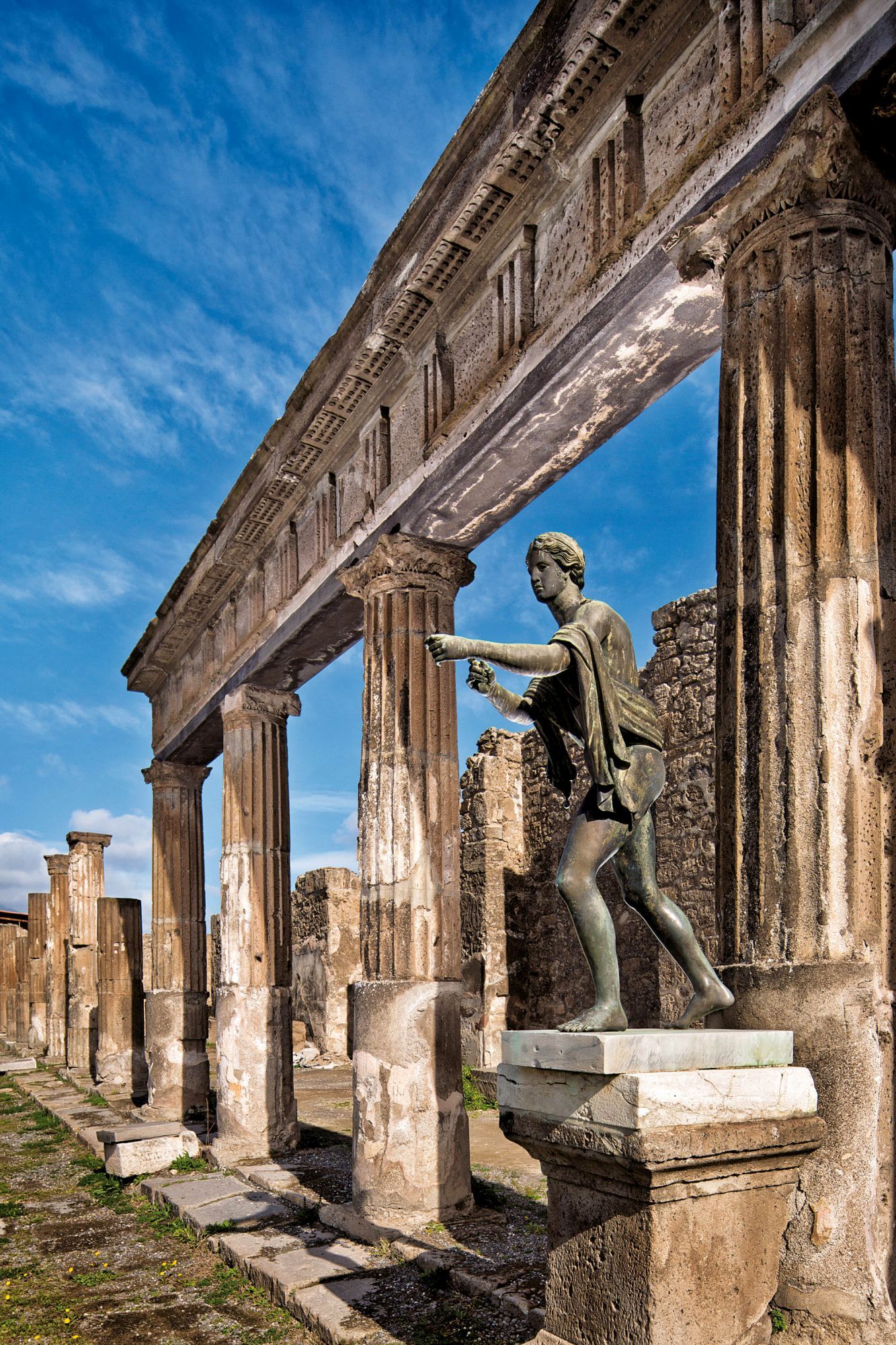
A landmark blending Roman and Greek influences, featuring well-preserved columns.
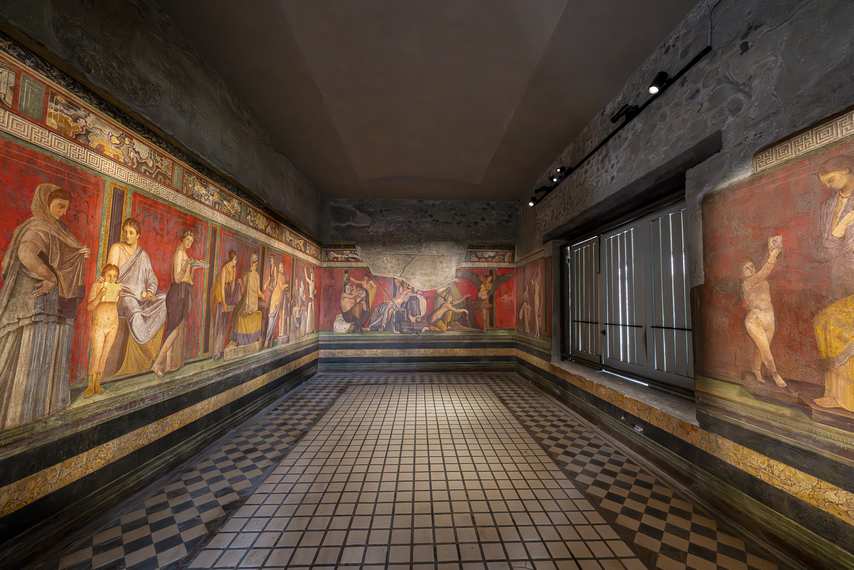
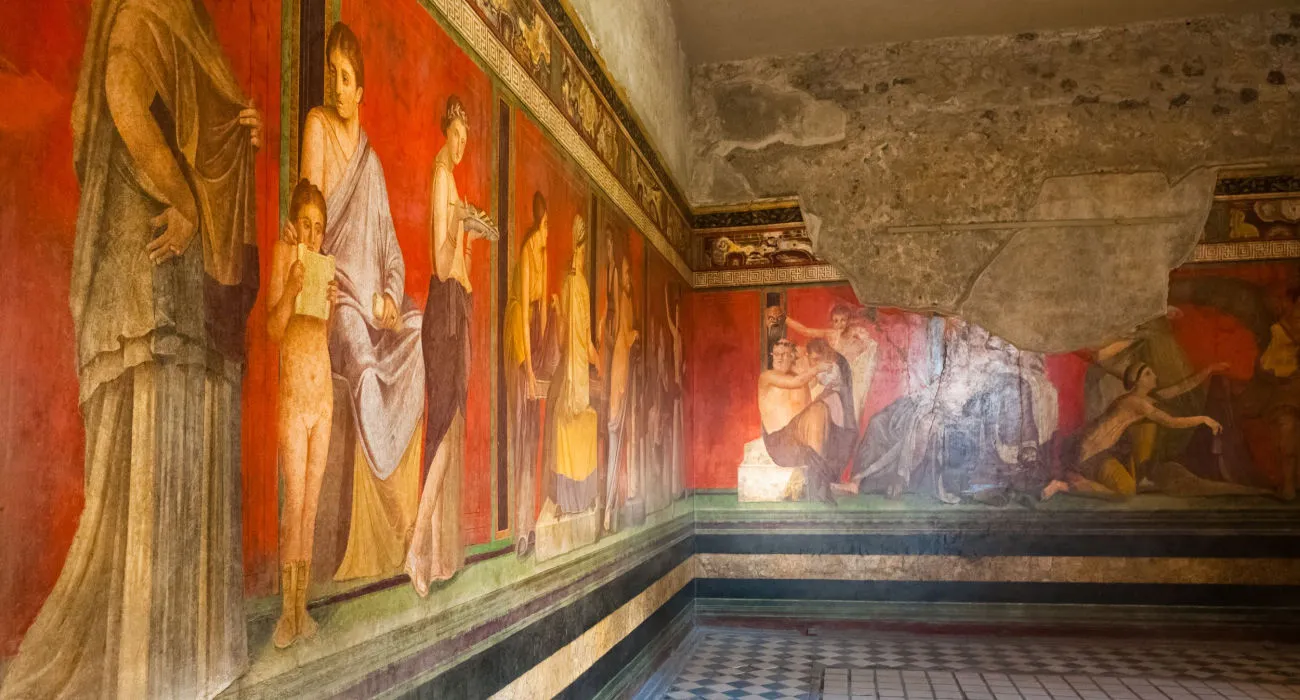
Famous for its stunning, near-intact cycle of frescoes depicting mystery cults.
You board the Frecciarossa at Roma Termini shortly after dawn, the high-speed train slicing south through Lazio farmland before descending into Campania's coastal basin.
At Naples Centrale you transfer to the Circumvesuviana, a commuter line that rattles past apartment blocks and citrus orchards, the silhouette of Vesuvius filling the eastern window. Pompeii Scavi station sits two hundred metres from the archaeological park entrance on Via Villa dei Misteri, where you collect your reserved ticket and pass through the Porta Marina gate.
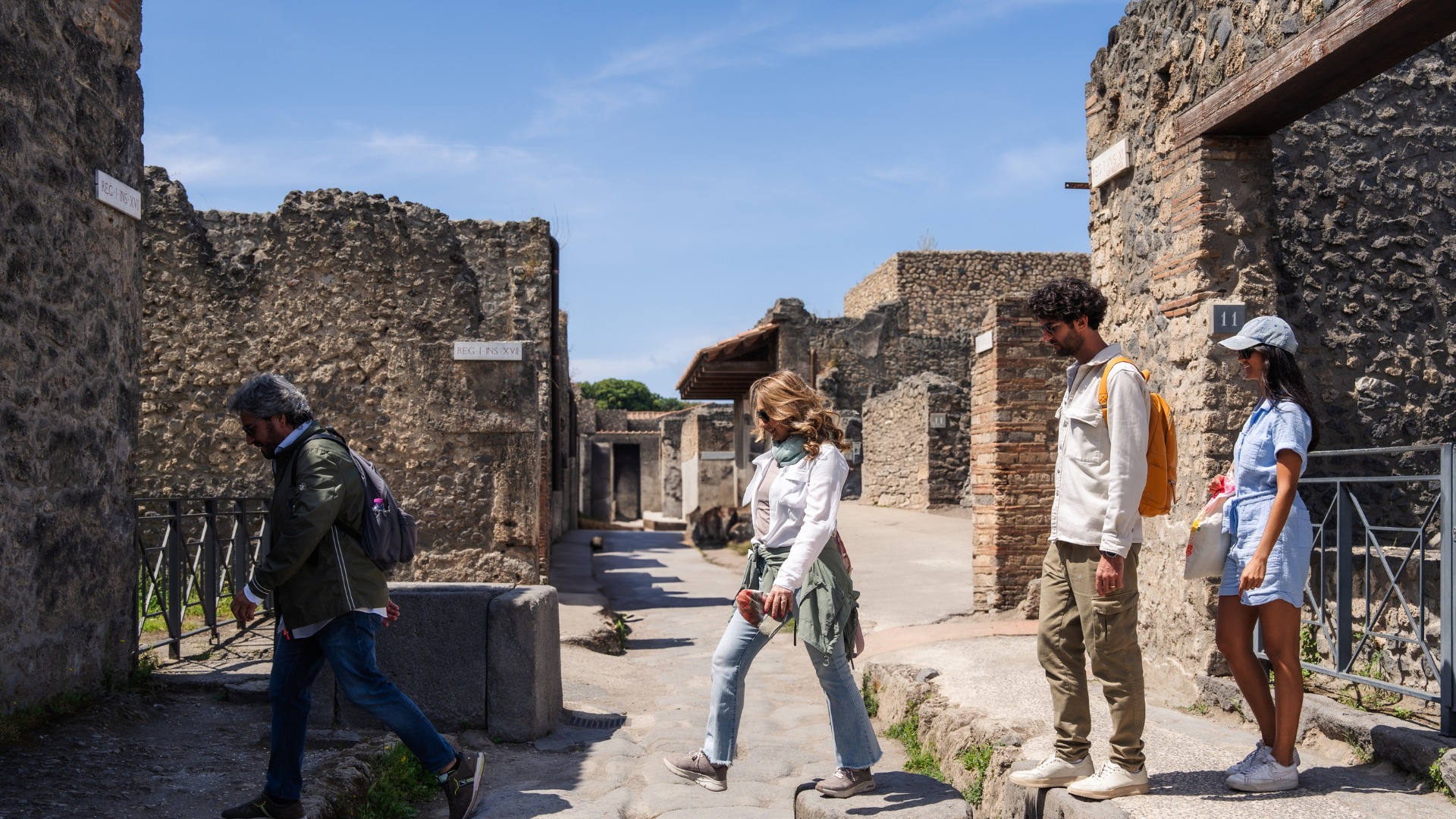
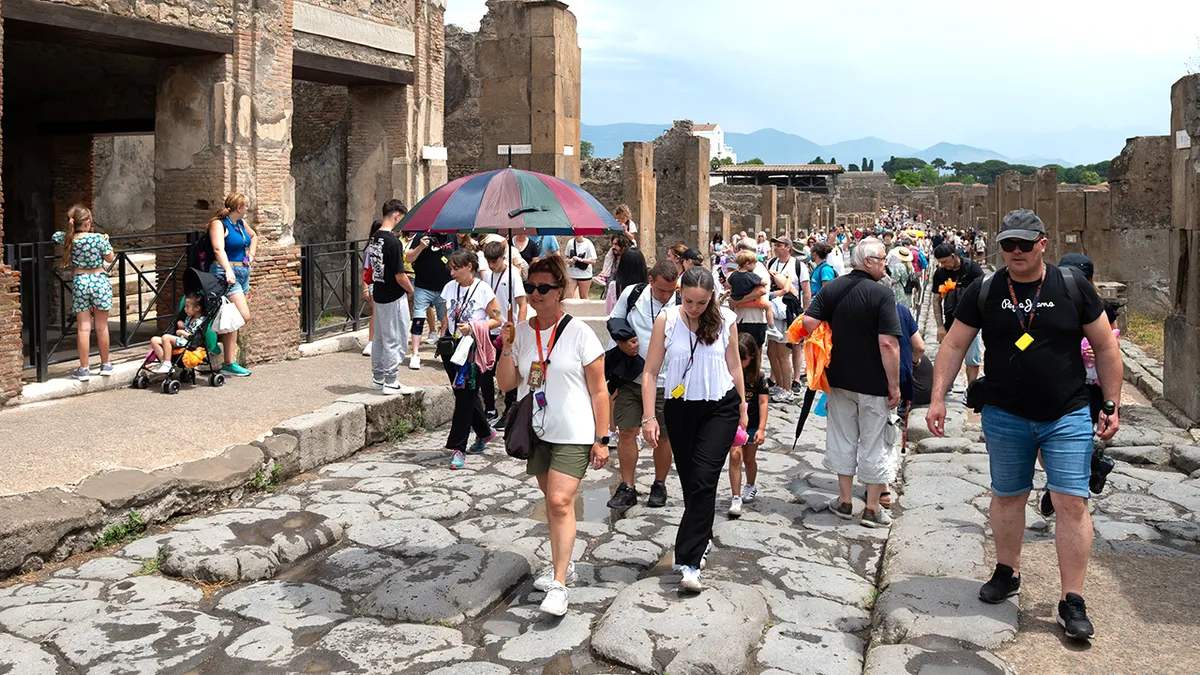
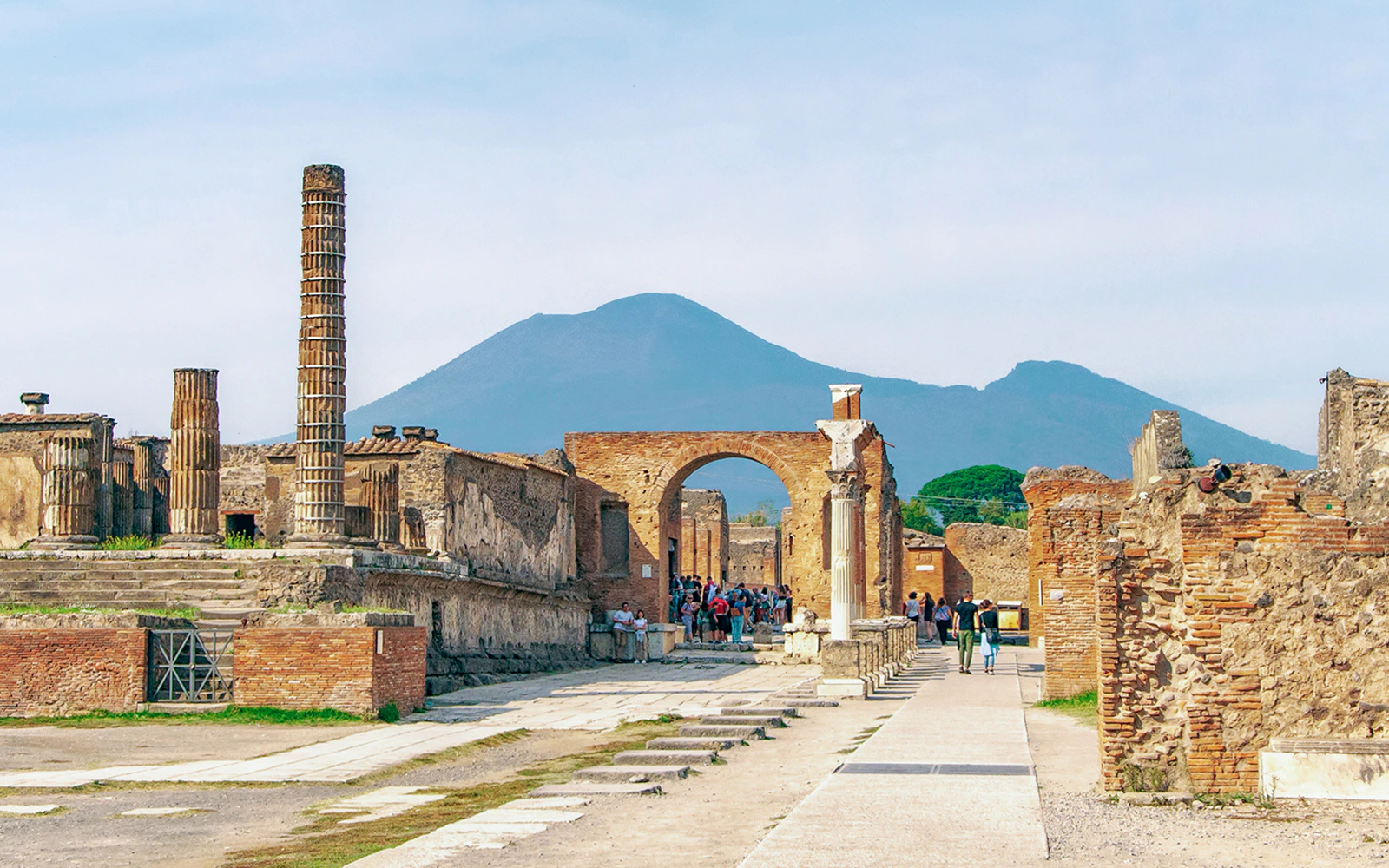
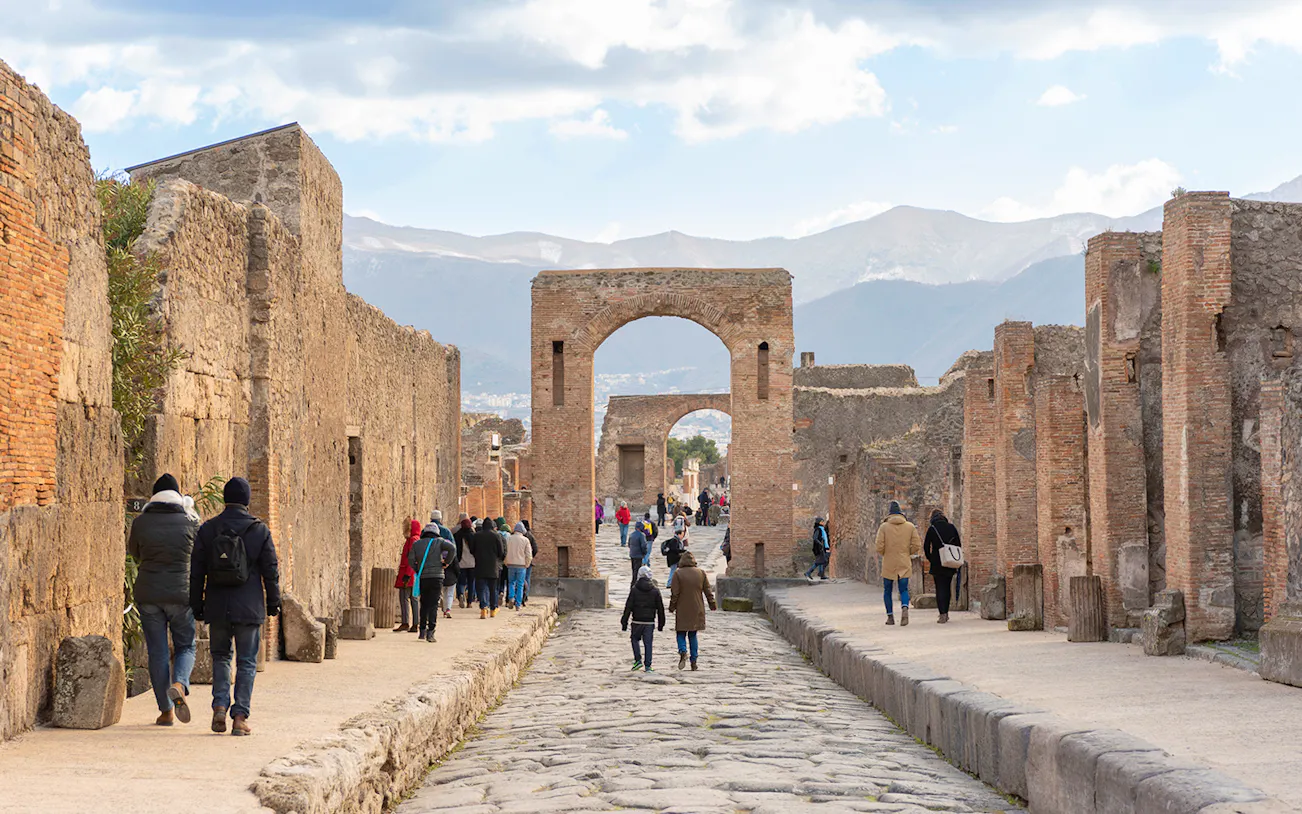
Inside, the Via dell'Abbondanza stretches before you, its basalt paving stones rutted by two millennia of cart wheels. You walk past the Forum's limestone columns, pause at the plaster casts in the Garden of the Fugitives, then climb the tiered stone seats of the amphitheater, which once held twenty thousand spectators. The House of the Faun occupies an entire block, its atrium centered on a bronze dancer and its floors inlaid with the Alexander Mosaic. You exit through the Villa of the Mysteries at the northwest corner, where the Dionysian frescoes glow crimson and ochre in the afternoon light, then return to the station for the northbound Circumvesuviana and the evening Frecciarossa to Rome.
All the details about your upcoming adventure in one place
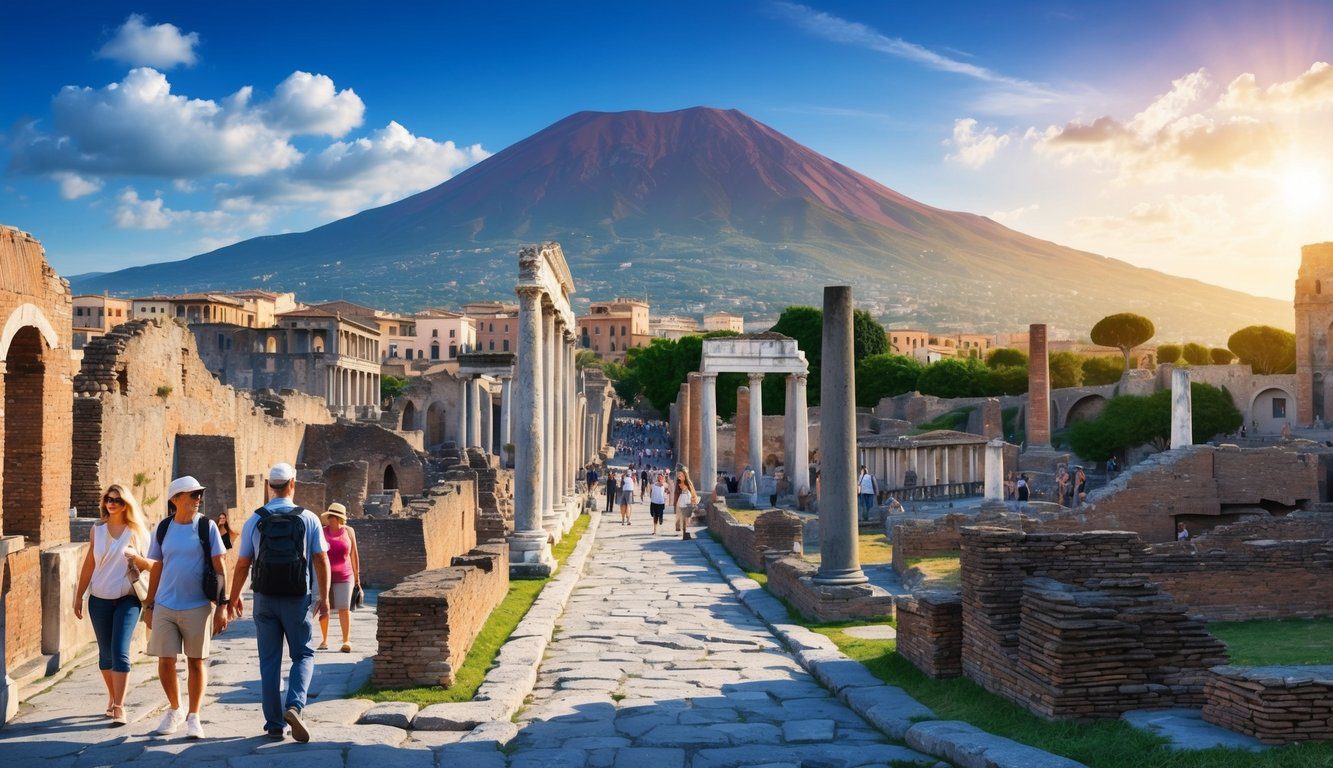
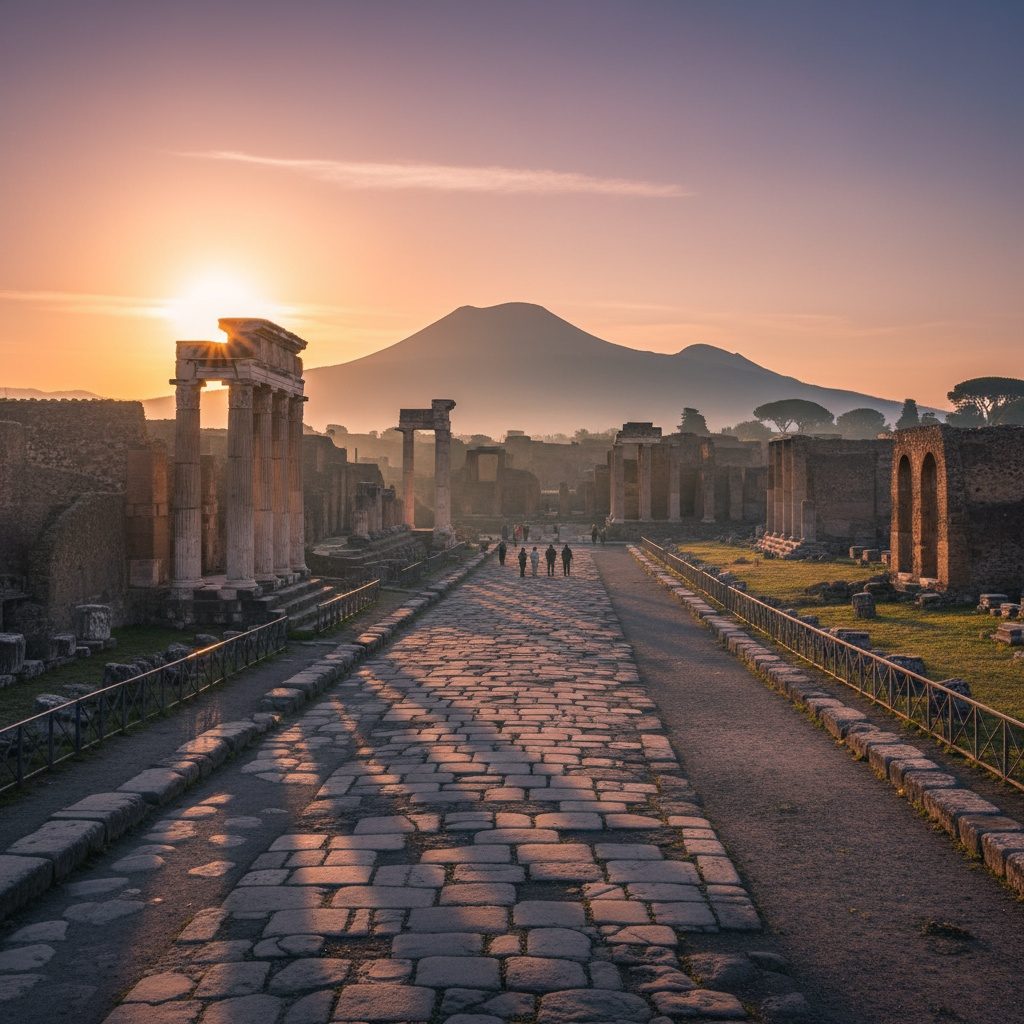
Pompeii receives more than three million visitors each year, yet the 66-hectare archaeological park preserves only two-thirds of the ancient city buried by Vesuvius in 79 AD.
The eruption lasted eighteen hours, burying homes, temples, and theaters under six metres of pumice and ash, creating the most complete portrait of Roman daily life ever recovered. When excavation began in 1748, diggers uncovered frescoes still vivid with cinnabar red, bakeries with loaves carbonized mid-rise, and plaster casts of victims frozen in final moments. Today the site operates as a UNESCO World Heritage zone, its streets laid out in the original Roman grid, its forums and amphitheater open to the sky.
The best Rome to Pompeii tours by train depart from Roma Termini, connecting to Naples Centrale in seventy minutes before transferring to the Circumvesuviana line. This rail corridor carries visitors past urban sprawl into the volcanic plain, where the excavated blocks of Pompeii spread beneath the cone of Vesuvius. Entry to the ancient city costs twenty euros per person, with gates opening at 09:00 and admitting visitors until final entry at 17:30. Arriving before 10:30 allows access to the House of the Faun, the Villa of the Mysteries, and the Forum before midday heat and tour groups converge. The site spans eighty city blocks, with paved streets, preserved thermopoliums, and mosaic floors that require three to four hours to survey properly.
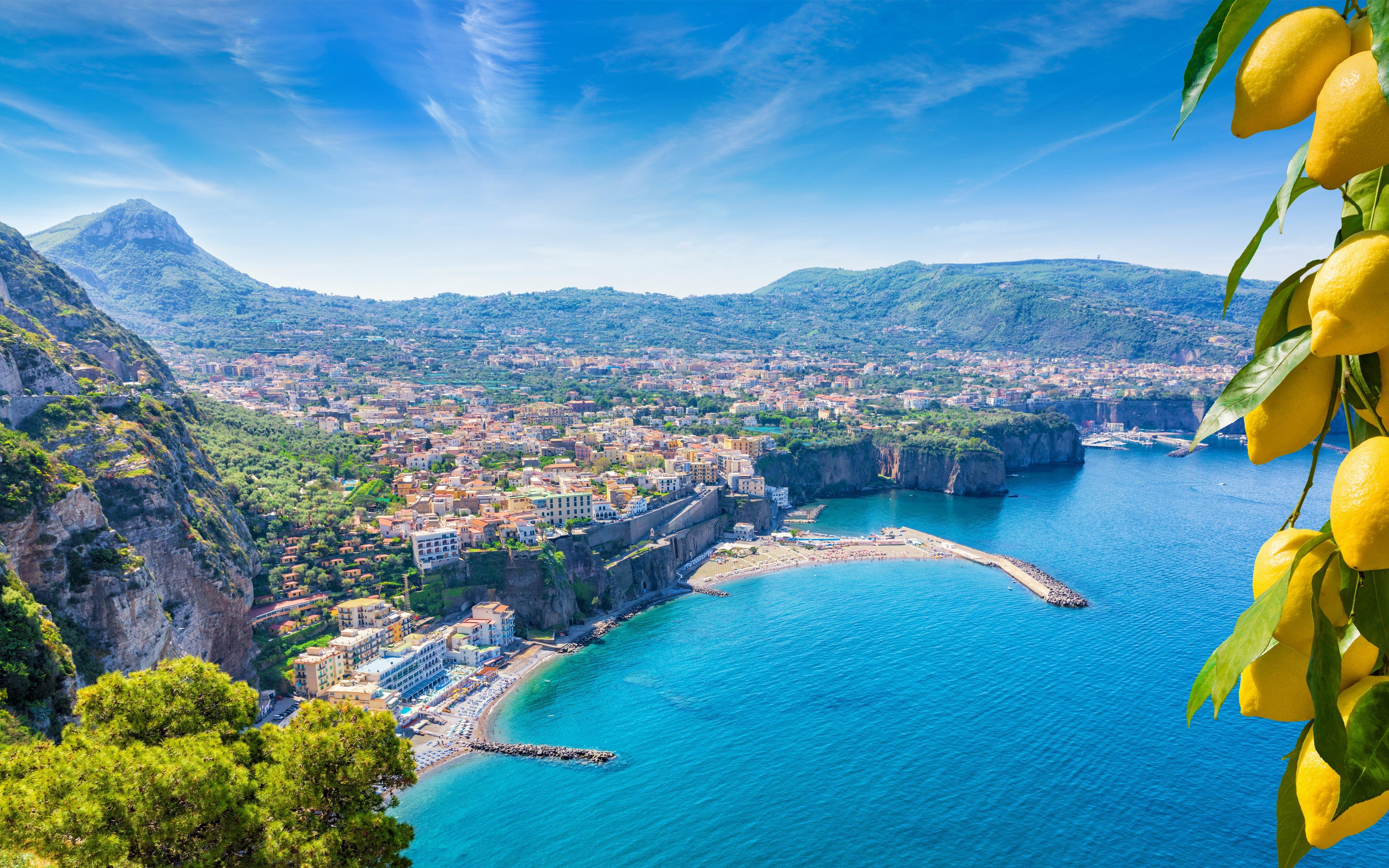
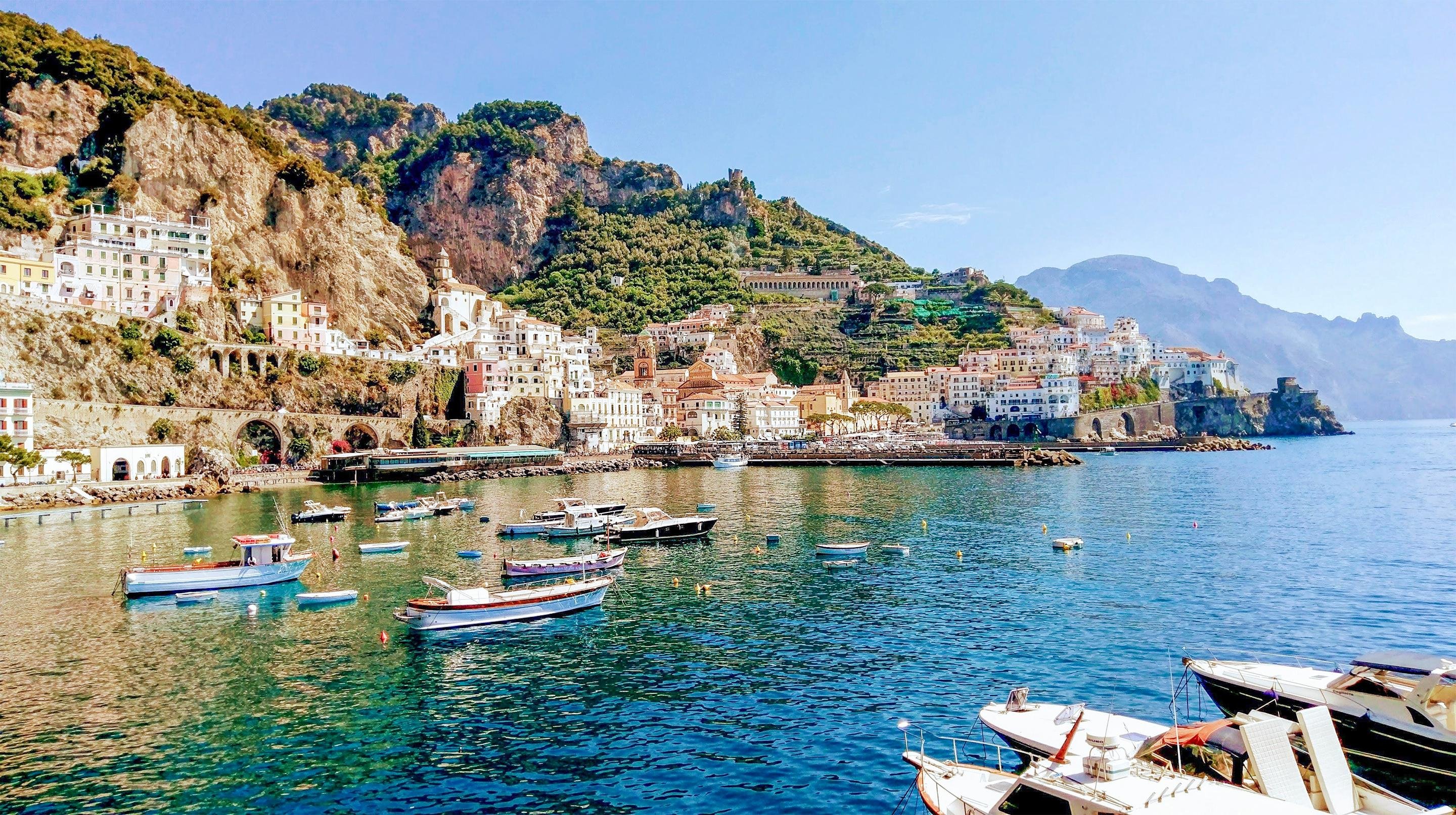
Guided excursions from Rome extend the day trip to include Naples' Museo Archeologico Nazionale, which holds the finest portable artifacts removed from Pompeii, or detour to the Amalfi Coast for cliffside views and Positano's tiered architecture. Multi-stop itineraries allow visitors to pair the archaeological ruins with Vesuvius summit hikes or Sorrento's terraced lemon groves. The Circumvesuviana train runs every thirty minutes, linking Pompeii Scavi station directly to the site entrance on Via Villa dei Misteri. High-speed rail travel between Rome and Naples compressed what was once a full-day journey into a morning departure, making Pompeii accessible as a same-day excursion from the capital. The volcanic soil that buried the city also preserved it, leaving a record of Roman commerce, domestic ritual, and public entertainment unmatched anywhere in the empire.

The eruption lasted eighteen hours, burying homes, temples, and theaters under six metres of pumice and ash, creating the most complete portrait of Roman daily life ever recovered.
Wear comfortable walking shoes suitable for uneven ancient basalt stones. Modest clothing is recommended, though there are no strict religious dress requirements.
Large backpacks and luggage exceeding 30x30x15 cm must be deposited in the cloakroom. Security checks may be conducted at the park entrance.
Personal photography is permitted throughout the site for non-commercial purposes. Tripods and professional equipment require prior authorization.
Strollers are permitted but may be difficult to maneuver on original Roman cobblestones. Many paths are accessible, and children under 18 receive reduced entry fees.
A dedicated 'Pompeii for All' path provides step-free access to major areas of the ruins. Wheelchair users should consult the accessibility map at the entrance.
Picnicking is strictly prohibited within the ruins. Water bottles can be refilled at the historic ancient fountains found throughout the city.
Opening Hours
09:00–19:00
Address
Via Villa dei Misteri, 2, 80045 Pompeii, Naples, Italy
Entry Fee
20 EUR per person
Best Arrival Window
09:00–10:30
Storage
Available at entrance
Navigation
Use official site pompeiisites.org
Public transport · 2.5 hours · Varied
Take the Trenitalia train from Rome Termini to Naples Centrale, then transfer to the Circumvesuviana line.
Full refunds are typically available for cancellations made at least 24 hours in advance. Please verify specific terms for your Pompeii and Naples day trip booking.
Recommended time
4-5 hours
To experience the best rome to pompeii tours by train, plan for at least four hours to navigate the expansive archaeological site. Arriving during the 09:00–10:30 window ensures you encounter smaller groups while exploring the ancient streets and forums before midday heat settles in. Choosing the best rome to pompeii tours by train tickets in advance helps minimize wait times, while those seeking deeper insight into the volcanic ruins often add extra time for the villa frescoes and amphitheater. Visitors should balance their itinerary by utilizing the best rome to pompeii tours by train tour options to manage the site’s vast layout effectively.
Crowd levels through the day
Weather · crowds · average price — dots go green to amber to red as each metric rises.
Mild temperatures and blooming flora make this ideal for walking the expansive ruins.
Expect high temperatures; visit early in the day to navigate the site safely.
Cooler weather provides a comfortable experience for long explorations.
Crowds are significantly thinner, allowing for quiet observation of the ancient landmarks.
Fill your water bottle at the ancient fountains located throughout the site.
Sturdy, closed-toe walking shoes are essential for the uneven surfaces.
Aim for the 09:00 opening to beat the largest tour groups.
Download the site map from the official website before you arrive.
Use authorized guides to gain deeper context during your Rome to Pompeii exploration.
Pompeii began as an Oscan settlement in the seventh century BCE, later absorbed by Greek colonists and then Samnite tribes before falling under Roman control in 89 BCE. By the first century CE it had grown into a prosperous commercial hub of roughly fifteen thousand residents, its economy driven by wine production, garum fish sauce manufacture, and the fertile volcanic soil that made the slopes of Vesuvius prized agricultural land. The town's forum, amphitheater, and public baths reflected Roman urban planning at its height, while luxurious villas lined its streets, their walls adorned with frescoes that documented daily life in vivid detail. On the morning of 24 August 79 CE, Vesuvius erupted with catastrophic force, burying Pompeii under six meters of pumice and ash within twenty-four hours and entombing the city in a near-perfect state of preservation. Pompeii vanished from active memory for over fifteen centuries. Its rediscovery began in 1599 when architect Domenico Fontana uncovered painted walls while digging an underground channel, but he abandoned the site without further investigation. Systematic excavation commenced in 1748 under the patronage of King Charles III of Bourbon, who sought artifacts for his royal collection, though early digs were little more than treasure hunts that damaged structures and discarded context. The appointment of Giuseppe Fiorelli as director in 1863 transformed the work into scientific archaeology; Fiorelli introduced stratigraphic excavation, created the first site maps, and pioneered the plaster-cast technique that captured the final moments of Vesuvius's victims by filling voids left by decomposed bodies. Today Pompeii remains the most extensively excavated Roman city, its ruins offering an unparalleled window into imperial life, and visitors arriving on the best rome to pompeii tours by train from Rome can walk streets last trodden two millennia ago.
Oscan settlers establish a village on the Sarno River plain, later influenced by Greek and Samnite cultures.
Roman forces under Sulla besiege and capture Pompeii, integrating it into the expanding Republic as a colony.
A severe earthquake damages much of Pompeii, prompting reconstruction that remains unfinished seventeen years later.
Mount Vesuvius erupts, burying Pompeii under meters of volcanic material and killing an estimated two thousand residents.
Bourbon King Charles III orders the first organized excavations, focusing on artifact recovery rather than preservation.
Giuseppe Fiorelli becomes excavation director, introducing stratigraphic methods and the plaster-cast technique for human remains.
UNESCO designates the Archaeological Areas of Pompeii, Herculaneum, and Torre Annunziata as a World Heritage Site.
The Great Pompeii Project completes restoration of key insulae, stabilizing structures and reopening previously closed domus to visitors.
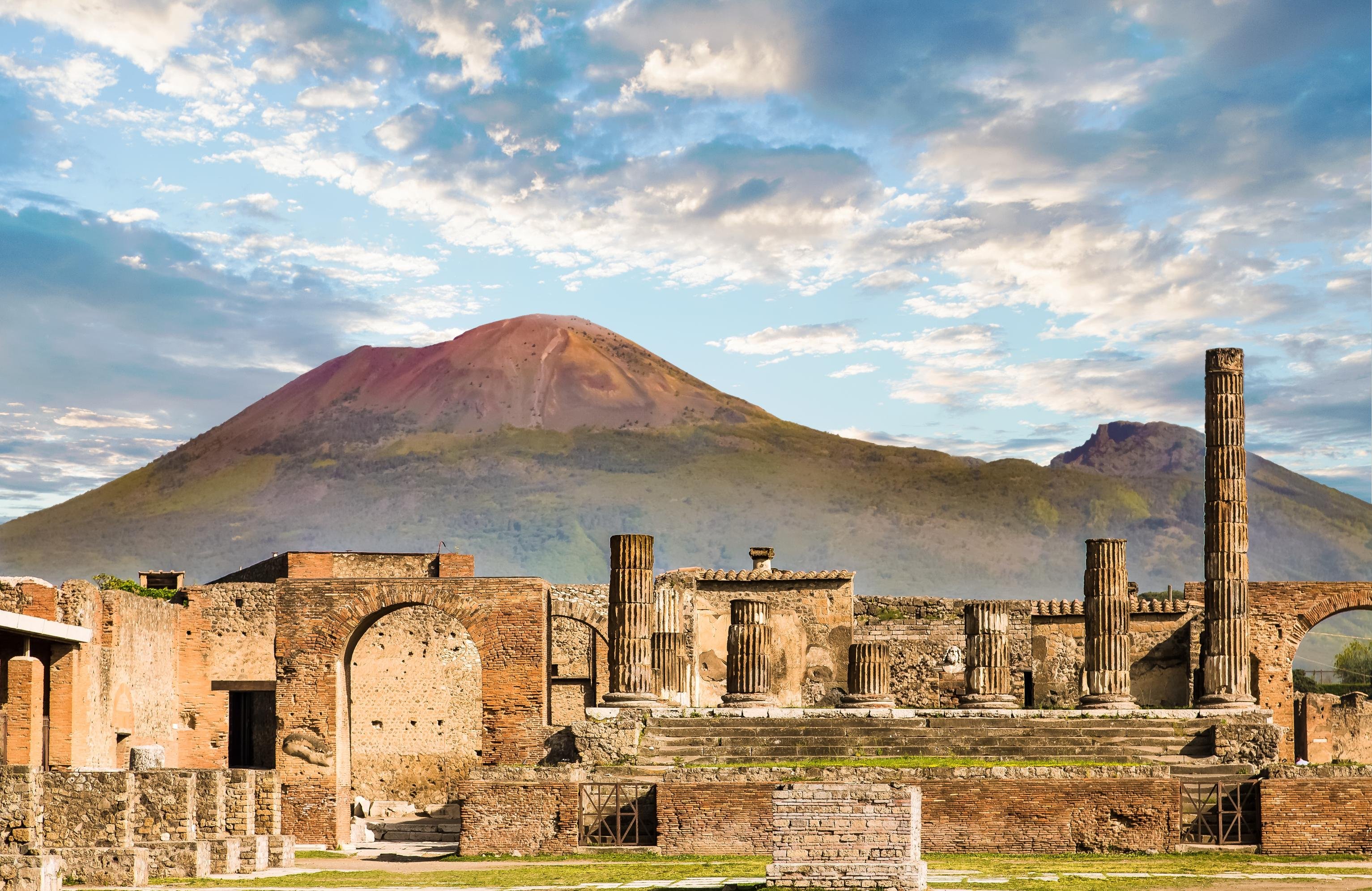
Stand at the northern end facing the Temple of Jupiter to capture the scale of the ruins against the mountain backdrop. This central plaza is a highlight for those researching the best rome to pompeii tours by train.
Position your camera at the entrance of the atrium to frame the preserved frescoes and central peristyle garden. Visitors often prioritize this location when using their best rome to pompeii tours by train tours.
Walk to the upper seating tiers for a wide-angle perspective of the stone oval and surrounding excavated walls. This structure is frequently included in skip-the-line Pompeii day trips.
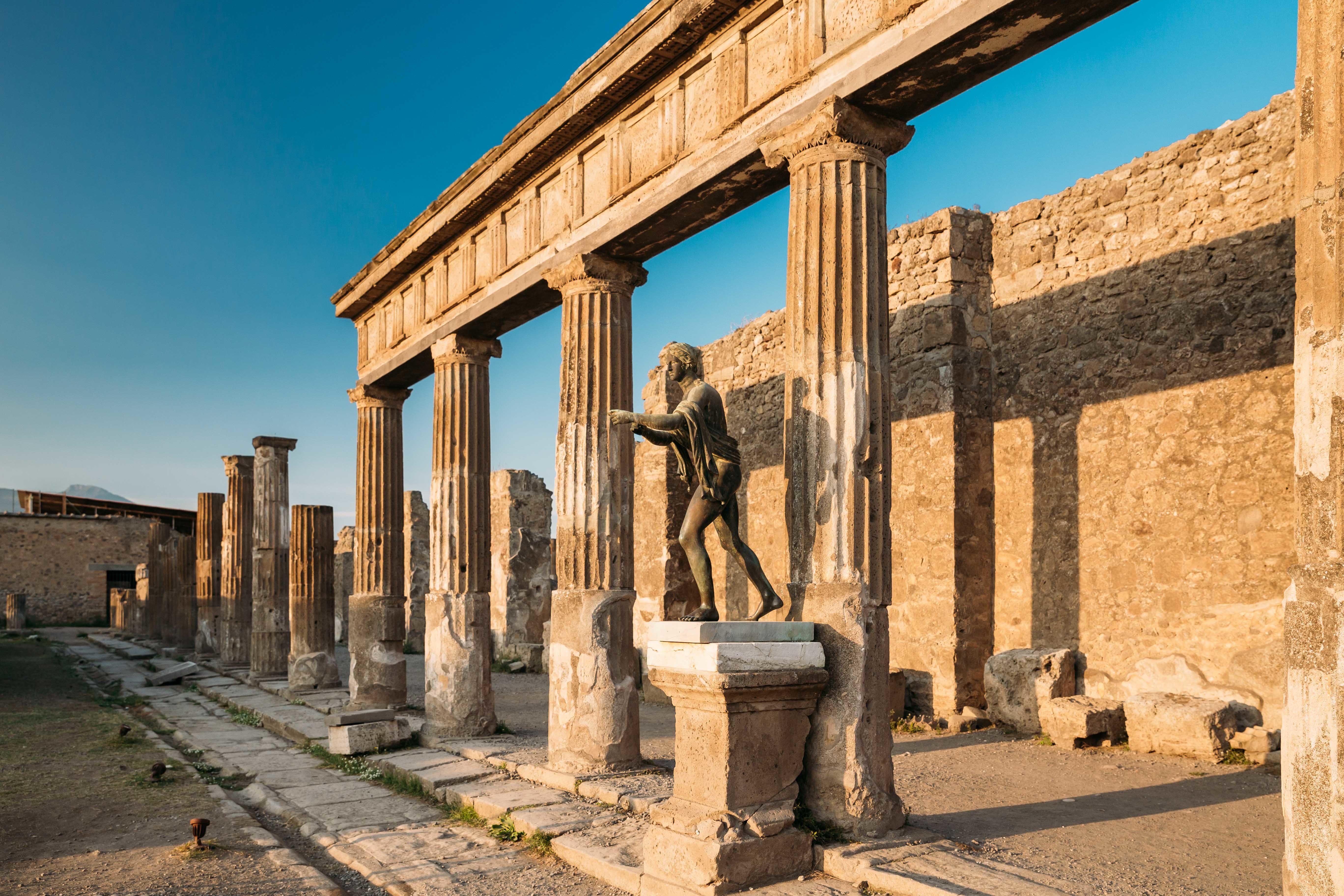
Frame the bronze statues against the backdrop of the ancient columns from the southern edge of the portico. It remains a popular spot for travelers securing best rome to pompeii tours by train tickets.
Capture the detailed wall paintings by standing in the center of the main room to utilize the natural light from the doorway. This site is a common stop on a guided Pompeii excursion.
Planning a visit requires preparation, as finding the best rome to pompeii tours by train involves navigating busy transit hubs with children in tow. These guided experiences help manage the logistics of traveling between cities while ensuring your family stays on track.
The ancient basalt streets are uneven and often blocked by high curbs, making lightweight carriers a better choice than strollers. Many best rome to pompeii tours by train tours prioritize routes that minimize heavy lifting across these ruins.
Baby-change tables are available at the site, and you can find official amenities at the address: Via Villa dei Misteri, 2, 80045 Pompeii, Naples, Italy. Staff at the office can assist with specific family needs if you book the best rome to pompeii tours by train tour.
The site is expansive, so aim for the best arrival window of 09:00–10:30 to avoid peak heat and crowds. Securing best rome to pompeii tours by train tickets in advance allows your family to bypass long entry lines upon arrival.
Children aged six and older typically engage best with the archaeological aspects of the ancient city. Walking routes can be long, so choose an itinerary that balances historical exploration with frequent rest stops.
Visitors participating in the best rome to pompeii tours by train often seek convenient dining options near the main entrance to balance their itinerary. While there is a café inside, several reliable eateries within a short walk of Via Villa dei Misteri, 2, 80045 Pompeii, Naples, Italy provide authentic regional fare for those choosing a best rome to pompeii tours by train tour.
Located within the archeological park, this spot offers quick sandwiches and refreshments for those utilizing their best rome to pompeii tours by train tickets. It is most crowded during the midday peak.
This restaurant replicates a Roman tavern experience with period-inspired decor and local ingredients. It serves as a popular sit-down option after exploring the ancient ruins.
A straightforward choice for Neapolitan pizza located just outside the site gates. This venue is suitable for a casual meal before or after your guided excursion.
Everything you need to know for your journey
The site is open daily from 09:00–19:00.
Booking best rome to pompeii tours by train tickets early is recommended to ensure entry and save time.
There is no strict dress code, but comfortable shoes for walking on ancient stone are advised.
No, food is not allowed inside, but you can refill water at ancient fountains.
Yes, the 'Pompeii for All' route provides accessible paths for many visitors.
The best arrival window is 09:00–10:30 to avoid midday crowds and heat.
Take a high-speed train to Naples, then switch to the local rail lines toward Pompeii.
Yes, children are welcome and typically receive reduced rates for Pompeii entries.
Photography is allowed for personal, non-commercial use throughout the archaeological site.
Large bags exceeding 30x30x15 cm must be stored in the designated luggage area at the entrance.
The stratovolcano responsible for the 79 AD eruption remains a significant presence.
Convenient access to the train station and local dining options.
Join thousands of happy travelers who have discovered this incredible experience
Book Your Experience Now